When Bad Taste Has Rhythm
A reference can expire. The rhythm underneath it—and the nerve that put it there—may survive.
THE NOTEBOOK
Where rehearsal keeps going.
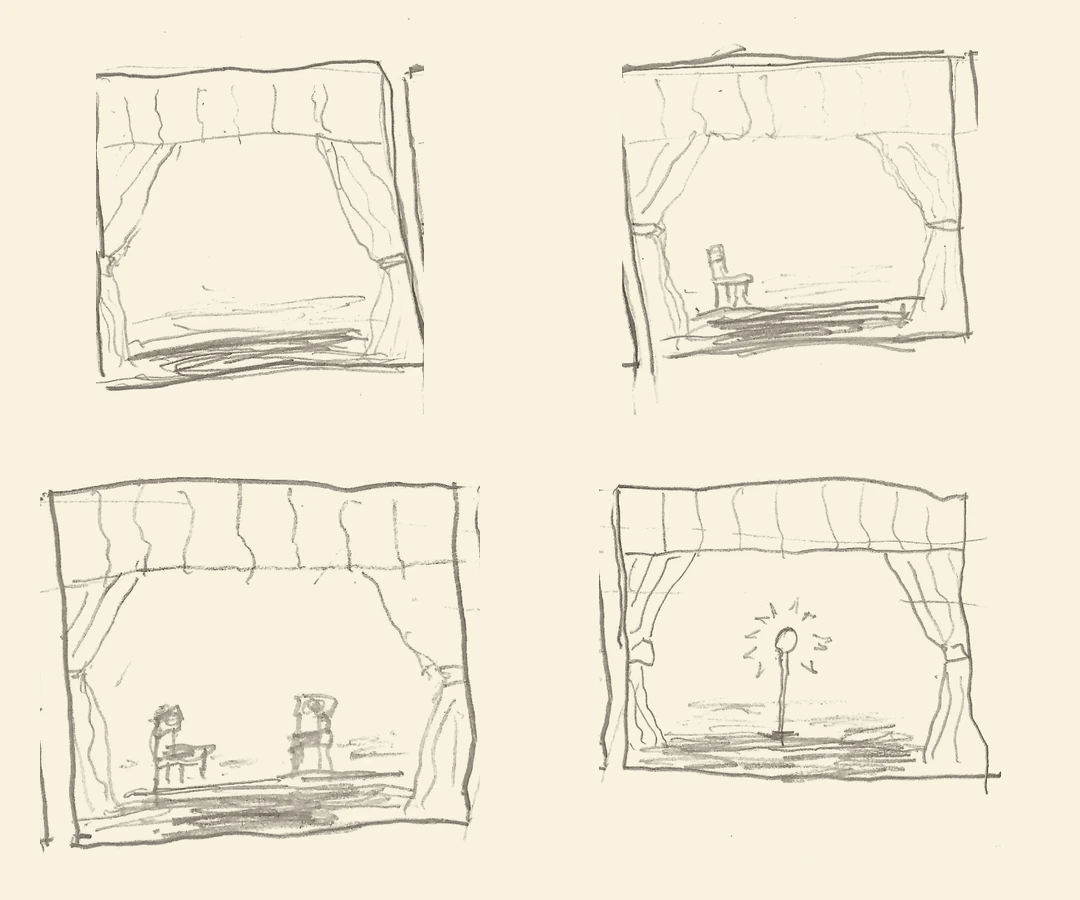
The Notebook is where I follow the discoveries that arrive after the first draft—sometimes in the room, sometimes in conversation, and sometimes years after a production has closed.
A room. A line of dialogue. A whiteboard. A Post-it note. A box someone forgot to throw away. Small things have a habit of opening larger questions about playwriting, performance, memory, institutions, comedy, and the often invisible structures that shape how people think, speak, and behave.
No Notebook entry tries to explain a play completely. Theatre has always been a collaboration, and that collaboration doesn’t end on opening night. It continues in rehearsal, in conversation, and in the moments when a play becomes larger than the script that started it.
The best plans are temporary hypotheses.
FEATURED
A reference can expire. The rhythm underneath it—and the nerve that put it there—may survive.
Bert counted every three lines. I counted across three acts. For thirty years, both clocks ran at once.
One kind of creative trust was discovered. The other was constructed.
FIVE NEW REFLECTIONS
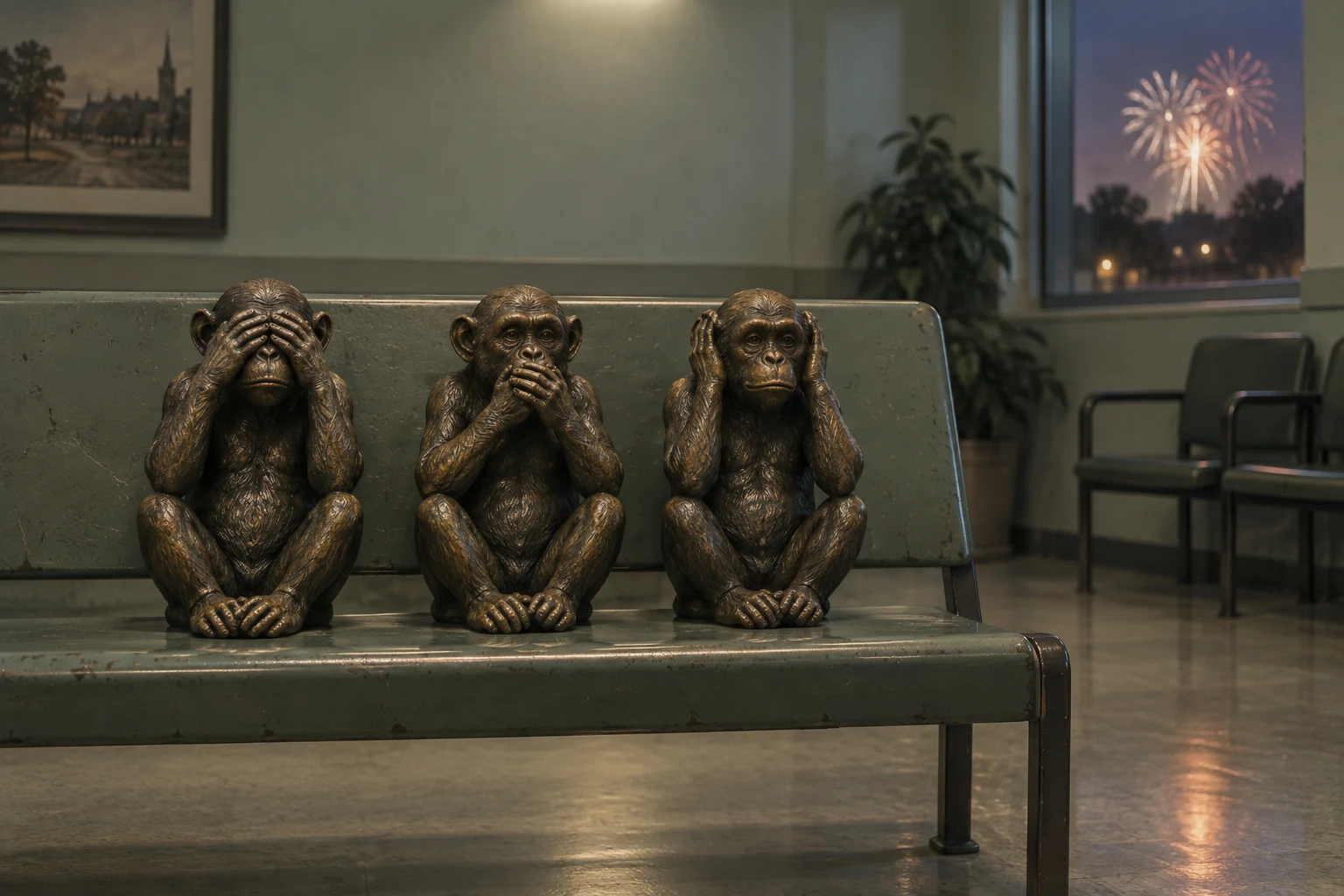
A refusal becomes dramatic when the audience knows what could have been done.
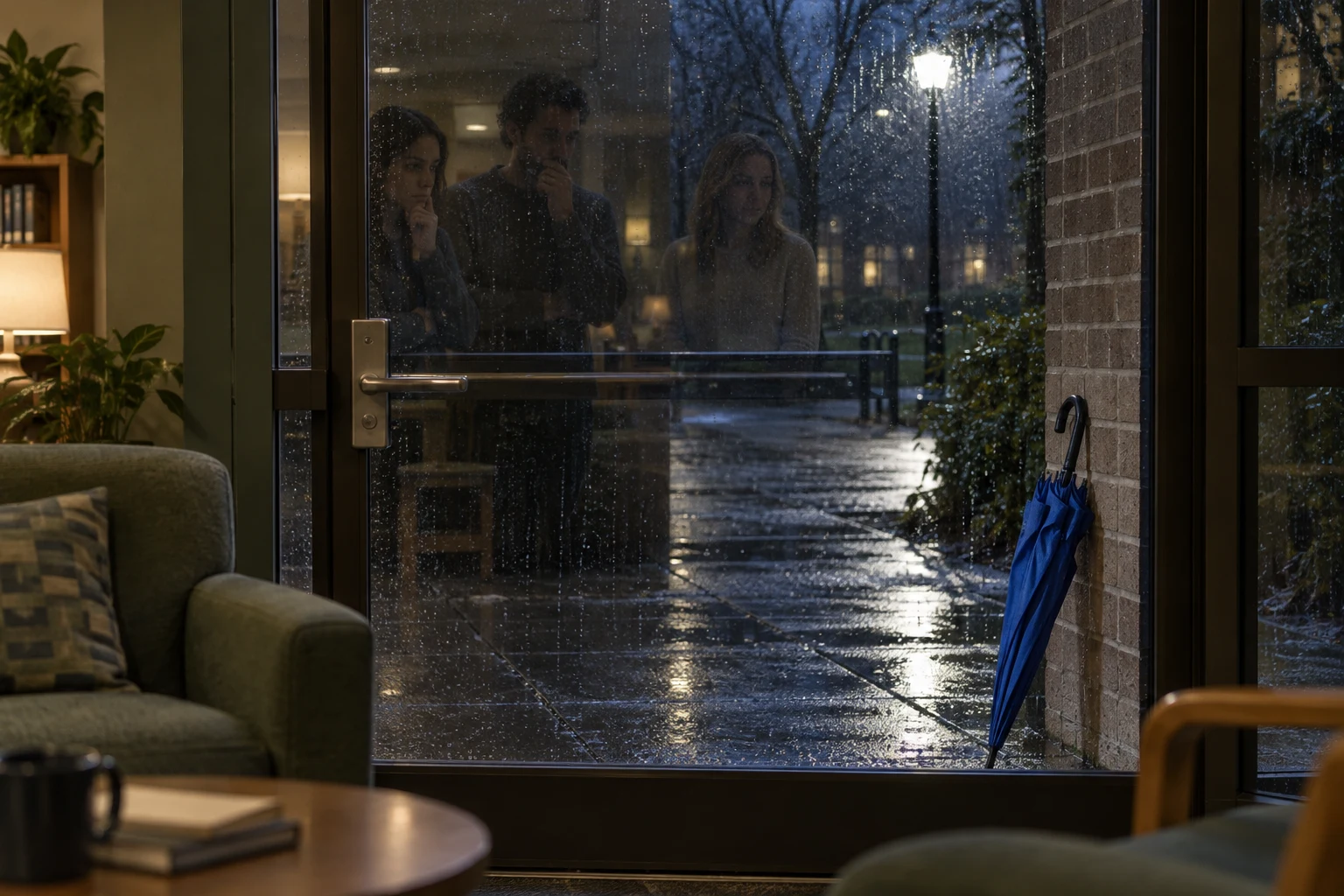
Three people, one blue umbrella, and no privileged explanation.
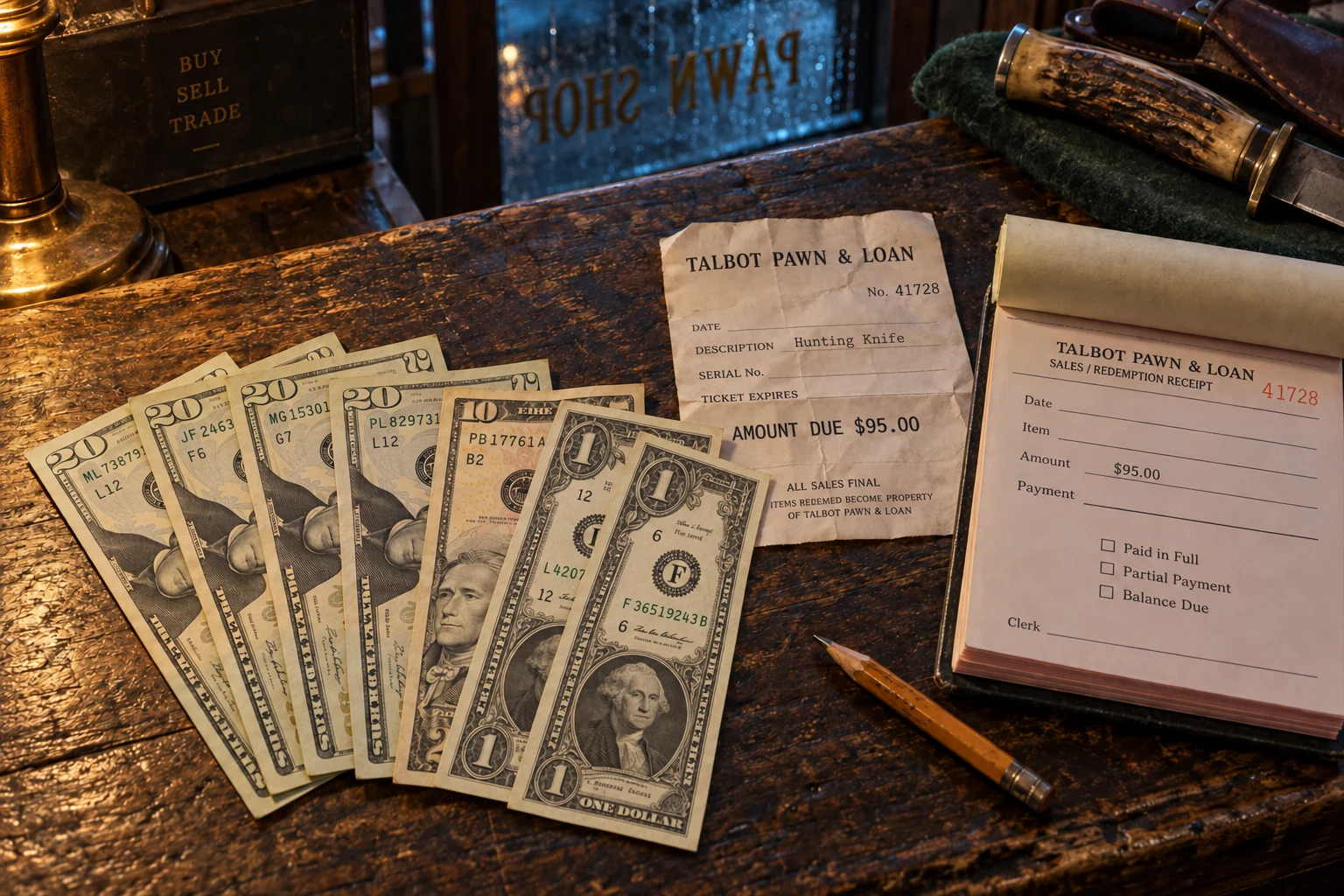
A small, exact errand opens a much larger reckoning.
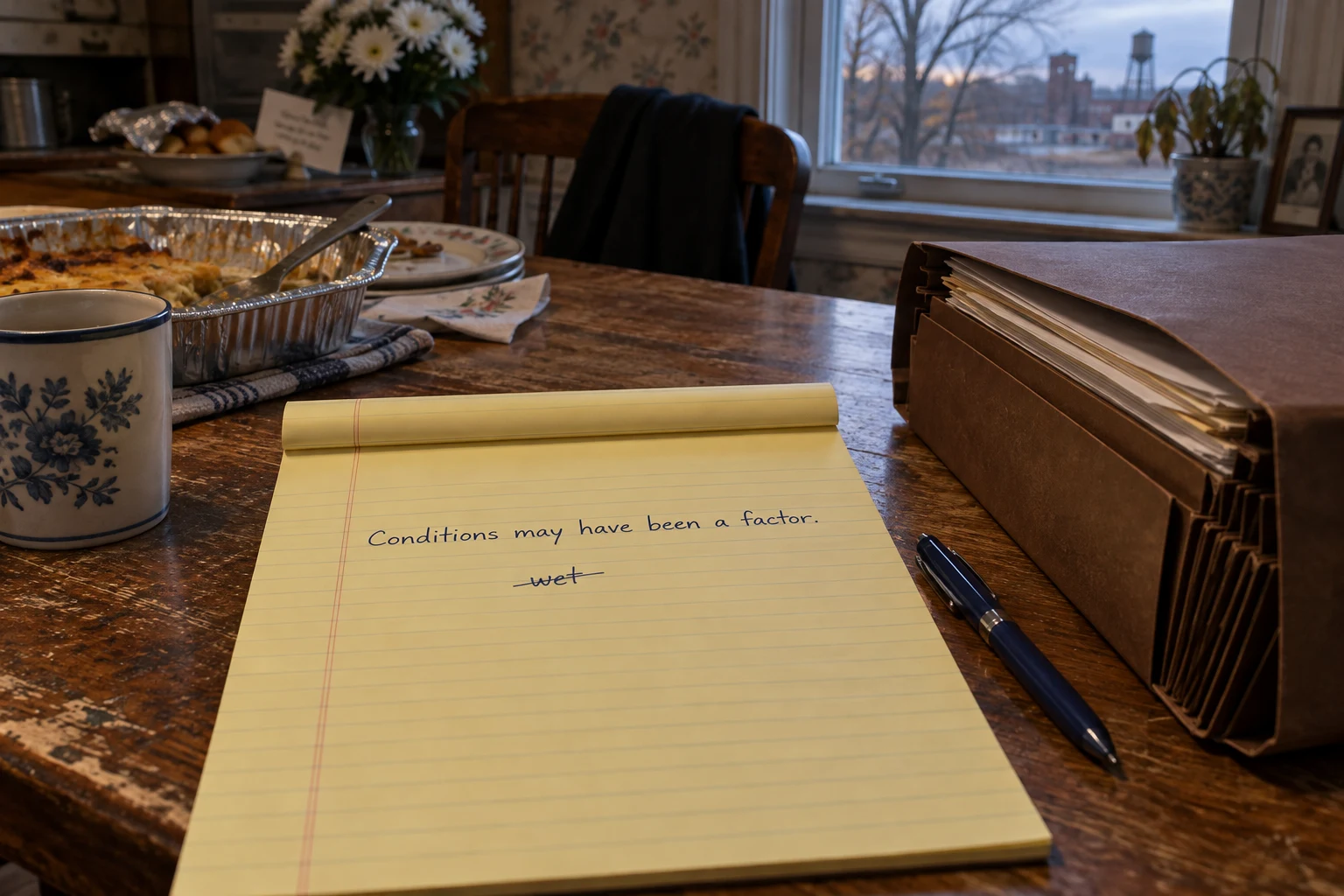
When helping someone explain becomes taking control of what they say.
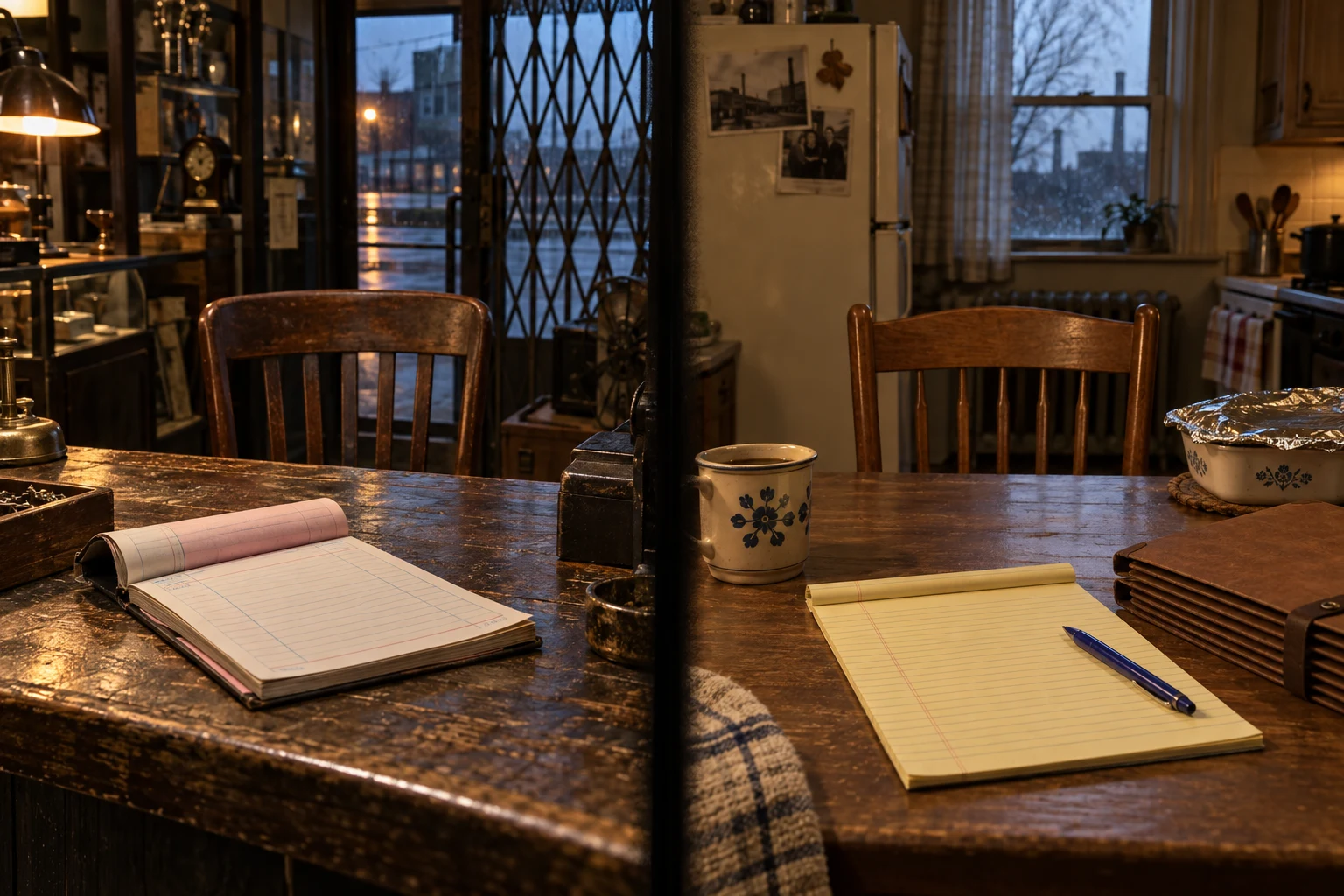
The second play changes how we remember the first.
Cartoons
Browse four cartoon samplesSome conversations begin with a play.
Others begin here.
 Explore cartoon samples
WELCOME TO THE NOTEBOOK.
Explore cartoon samples
WELCOME TO THE NOTEBOOK.